



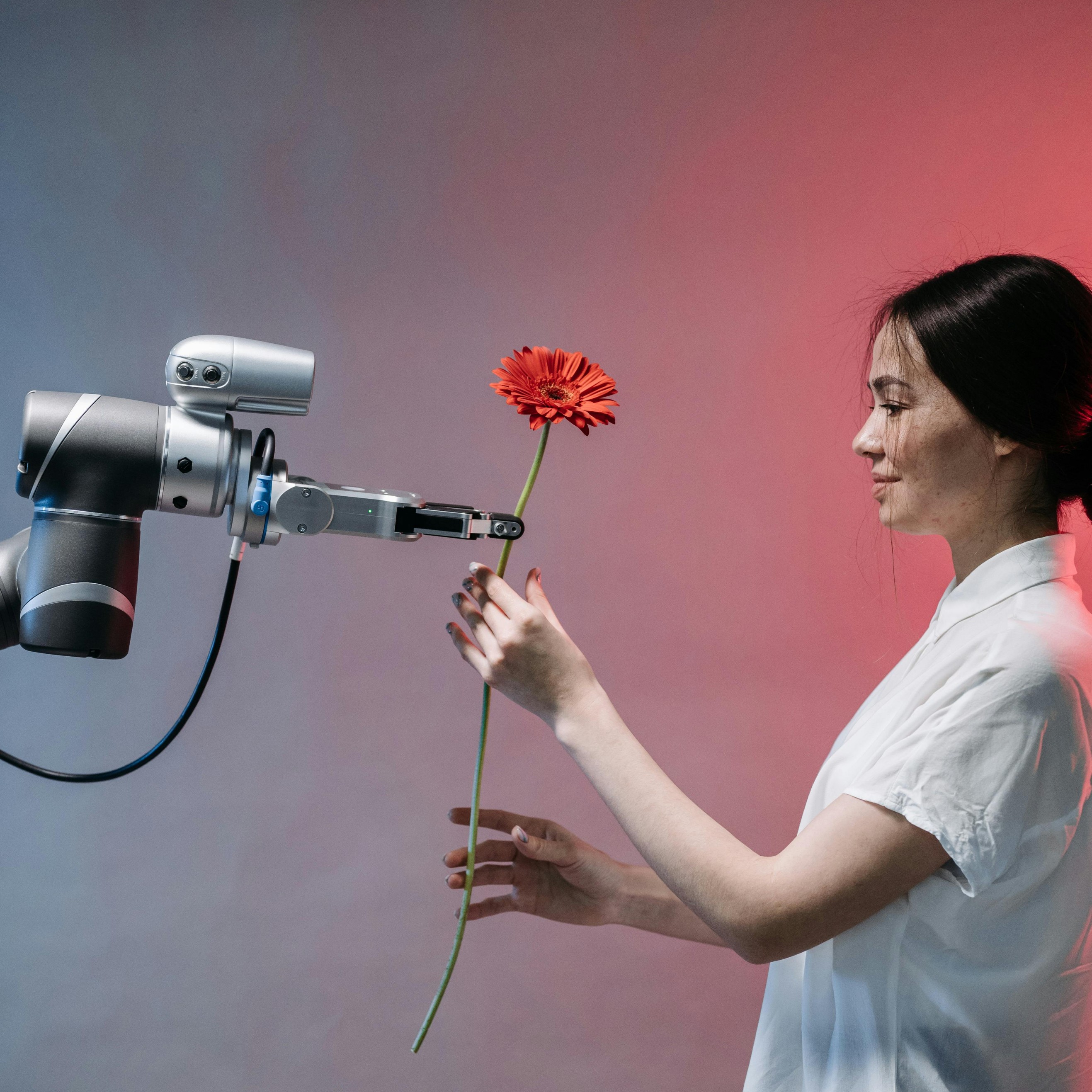
Generative AI and Mental Health: Between Dependency and Authenticity
Generative Artificial Intelligence has rapidly evolved into a deeply integrated part of everyday human interaction. AI-powered conversational systems are now used not only for productivity and information retrieval, but also for emotional support and therapy-like communication. Applications such as ChatGPT, Replika, and Character.AI have demonstrated how generative AI can simulate empathy and engage users in emotionally meaningful conversations.
One reason generative AI has become influential in mental health contexts is its accessibility. Traditional therapy is often expensive, time-consuming, or socially stigmatized, while AI chatbots are available at any time and can provide immediate responses. This convenience has encouraged many individuals to use AI systems for emotional reflection, stress management, and companionship. According to Abd-Alrazaq et al. (2023), AI conversational agents have shown potential for improving mental well-being, particularly in reducing symptoms of anxiety and depression through supportive dialogue and self-guided therapeutic exercises. Their systematic review suggested that AI chatbots may serve as useful supplementary mental health tools, especially in situations where professional support is limited.
The role of generative AI in emotional expression was further explored in the study The Impact of POE-LIFE and the Usage of Artificial Intelligence on Students’ Mental Health and Authenticity at Bina Nusantara University by Sutjipto and Akun (2024). The researchers examined an internally-developed AI-assisted poetry platform called POE-LIFE, which encouraged students to express emotions through creative writing while receiving AI-generated suggestions. The study found that many students believed the platform helped them process emotions such as sadness and anger. However, the research also revealed concerns regarding authenticity. Some participants felt that AI-generated assistance reduced the originality and personal sincerity of their creative expression.
Human emotional expression has traditionally been associated with personal experiences and vulnerability. When AI contributes to emotional writing or reflective communication, users may begin questioning whether their thoughts genuinely represent their own feelings. In addition to influencing self-expression, generative AI may also affect interpersonal relationships and emotional dependency. Character-based AI chatbots are specifically designed to provide emotionally responsive conversations that feel supportive and personalized. For individuals experiencing loneliness or social isolation, these systems may become emotionally comforting. However, this emotional realism has raised concerns among psychologists and researchers.
A study by Lee et al. (2025) examined students’ perceptions of generative AI in school mental health frameworks. The researchers found that while students appreciated AI’s convenience and accessibility, they were also concerned about overreliance on AI systems and the inability of chatbots to genuinely understand human emotions. Participants emphasized that AI should support, rather than replace, real human interaction and professional counseling. These findings suggest that although AI may provide temporary comfort, excessive dependence on artificial companionship could weaken authentic interpersonal relationships.
Concerns about safety and emotional reliability have also emerged in recent research. Sharma et al. (2023) argued that generative AI systems may produce psychologically harmful responses because they generate text based on statistical prediction rather than true understanding. According to the researchers, AI chatbots may unintentionally reinforce unhealthy emotional patterns, provide misleading psychological advice, or respond inappropriately to vulnerable individuals. Unlike trained therapists, AI systems do not possess ethical judgment or professional accountability, making them unreliable substitutes for mental healthcare.
Research involving adolescents and young adults further highlights the complexity of AI’s role in emotional well-being. In a study exploring young people’s perceptions of conversational generative AI in mental health settings, participants expressed cautious optimism about AI support systems while simultaneously emphasizing the importance of maintaining genuine human care (Maples et al., 2026). Many participants believed that AI could assist with emotional support and accessibility, but they did not consider it capable of replacing authentic human empathy and therapeutic relationships.
Ultimately, generative AI represents both an opportunity and a challenge for mental health. These technologies may improve access to emotional support and reduce barriers to mental health resources, particularly for students and underserved communities. However, their growing emotional influence requires careful ethical consideration. AI should be viewed as a supplementary tool rather than a replacement for human relationships or professional mental healthcare. As conversational AI continues to become more advanced, preserving authentic human connection and emotional autonomy will remain essential.
References
Abd-Alrazaq, A., AlSaad, R., Alhuwail, D., Ahmed, A., Healy, P. M., Latifi, S., Aziz, S., Damseh, R., Alabed Alrazak, S., Sheikh, J., & Househ, M. (2023). Systematic review and meta-analysis of AI-based conversational agents for promoting mental health and well-being. npj Digital Medicine, 6(236). https://doi.org/10.1038/s41746-023-00979-5
Lee, S., Martinez, J., & Cooper, T. (2025). AI as the therapist: Student insights on the challenges of using generative AI for school mental health frameworks. Behavioral Sciences, 15(3), 287. https://doi.org/10.3390/bs15030287
Maples, B., Cerit, M., Vishwakarma, P., & Samuel, A. (2026). Young people’s perceptions and recommendations for conversational generative artificial intelligence in youth mental health. arXiv. https://arxiv.org/abs/2604.13381
Sharma, A., Lin, I. W., Miner, A. S., Atkins, D. C., & Althoff, T. (2023). Chatbots and mental health: Insights into the safety of generative AI. Harvard Business School Working Paper. https://papers.ssrn.com/sol3/papers.cfm?abstract_id=4188919
Sutjipto, V., & Akun, A. (2024). The impact of POE-LIFE and the usage of artificial intelligence on students’ mental health and authenticity at Bina Nusantara University. Proceedings of the 2024 International Seminar on Application for Technology of Information and Communication (iSemantic 2024), 382–385.
#binusresearchpoint
Comments :