


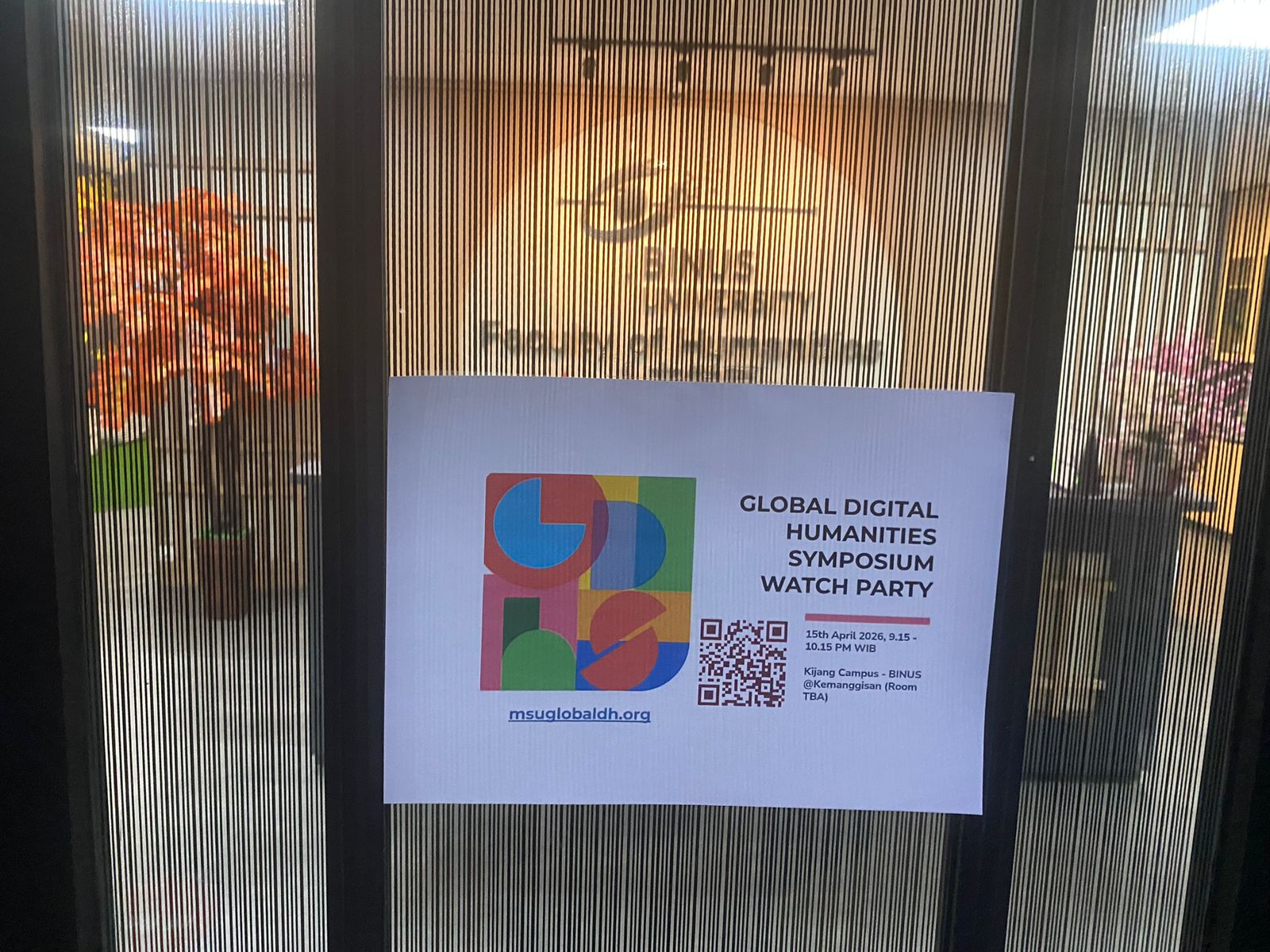
Global Digital Humanities Symposium Watch Party
Reported by Rafli Izzuddin
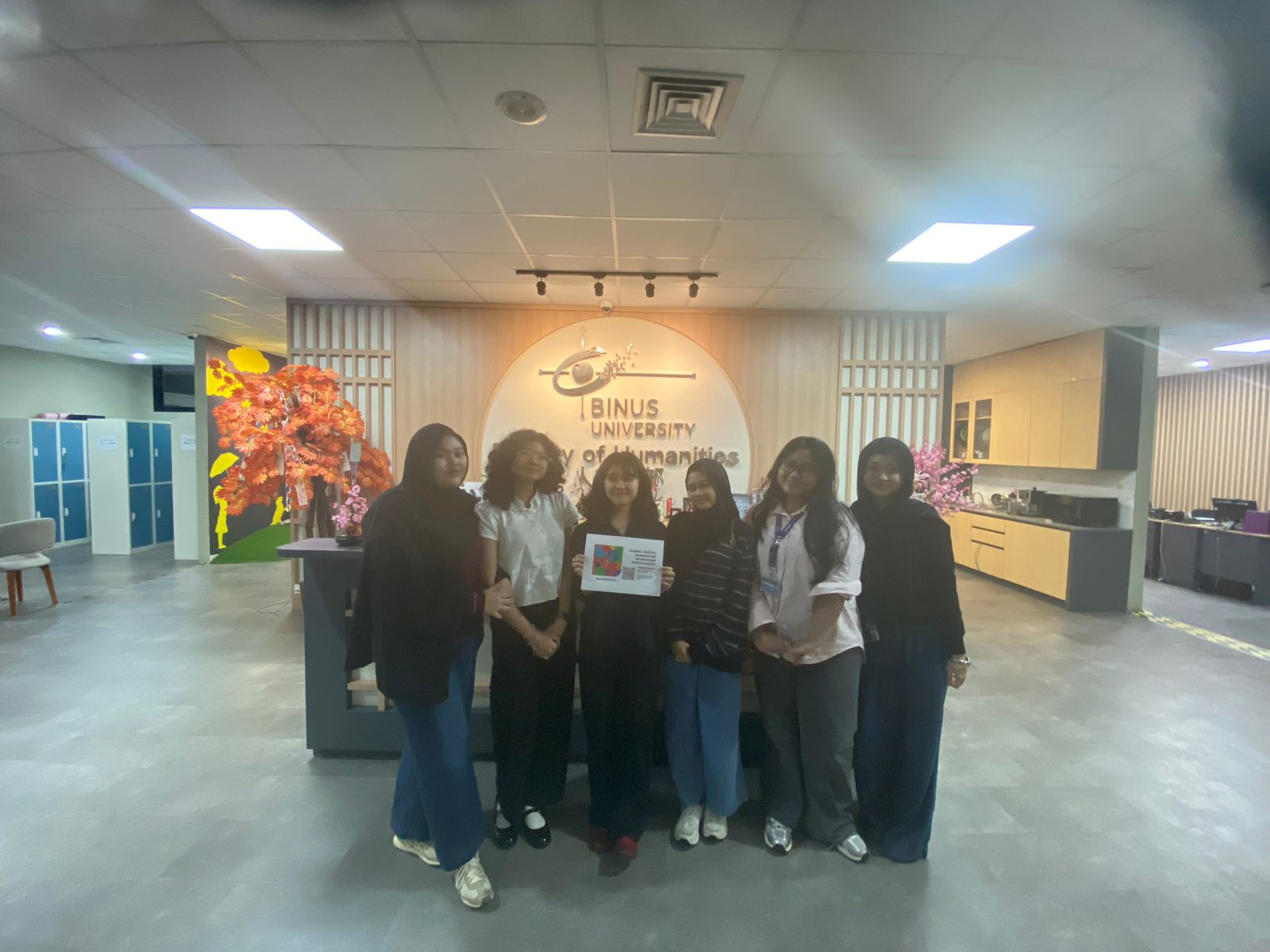
Several days ago, students and alumni of BINUS’ Faculty of Humanities were invited to a late-night watch party at BINUS University’s Kijang Campus. This event took place on 15 April 2026, and the subject was an hour-long presentation with the topic of ‘Minimal Computing Approaches’. This presentation was part of this year’s Global Digital Humanities Symposium, an annual multi-day event held by Digital Humanities (DH) at Michigan State University (MSU). It is a forum that consists of keynote speakers presenting projects concerning global issues and the digital humanities, be they from MSU or other universities.
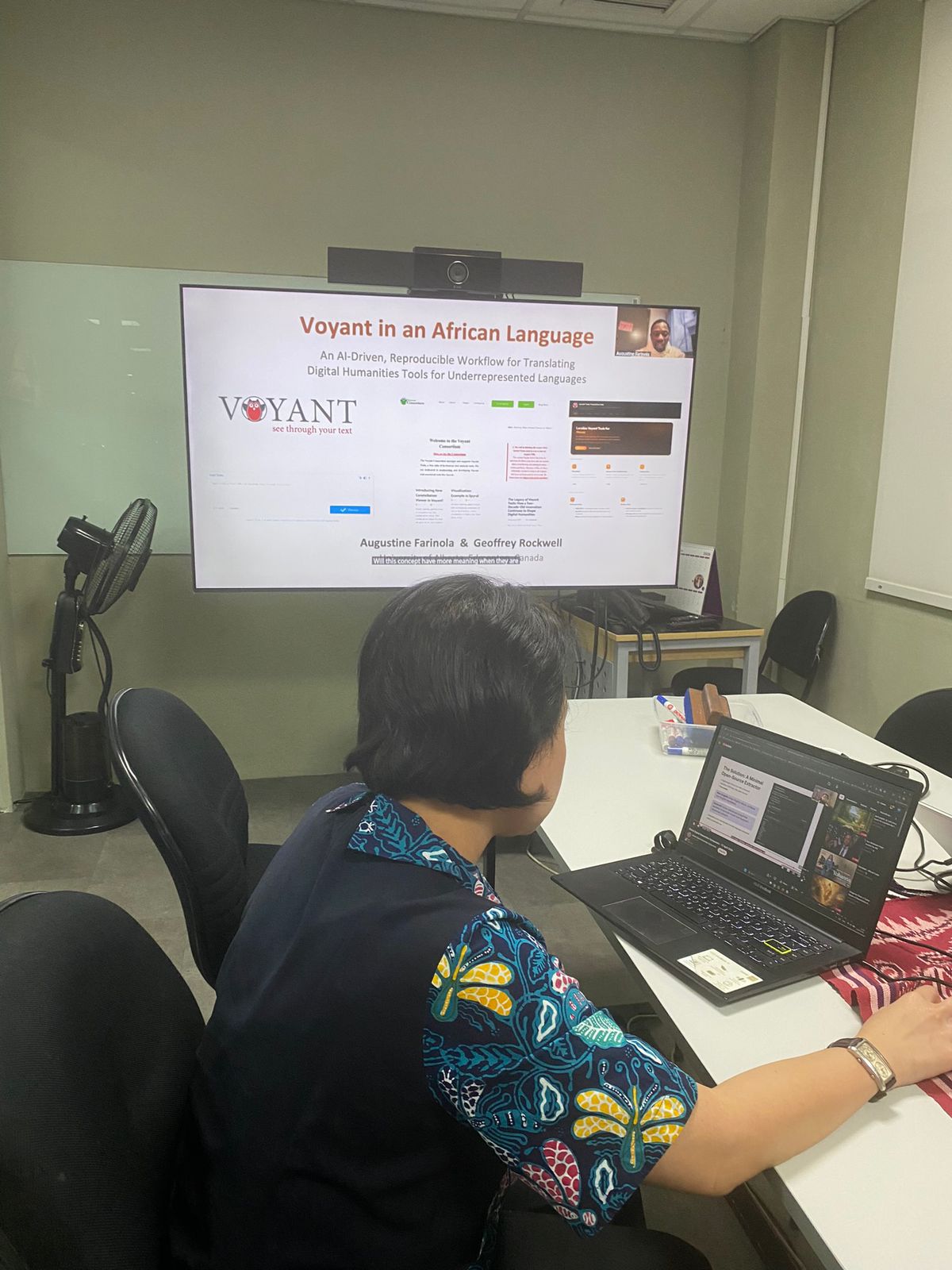
The attendees were introduced to issues such as minority languages being misrepresented by language tools due to the procedure they employ – one of normalization. This tendency to reduce “noise” is meant to be neutral; however, in the case of minority languages, it is structural erasure. One possible solution that was given was a project that involved an AI-driven translation workflow in order to produce language tools for underrepresented languages.
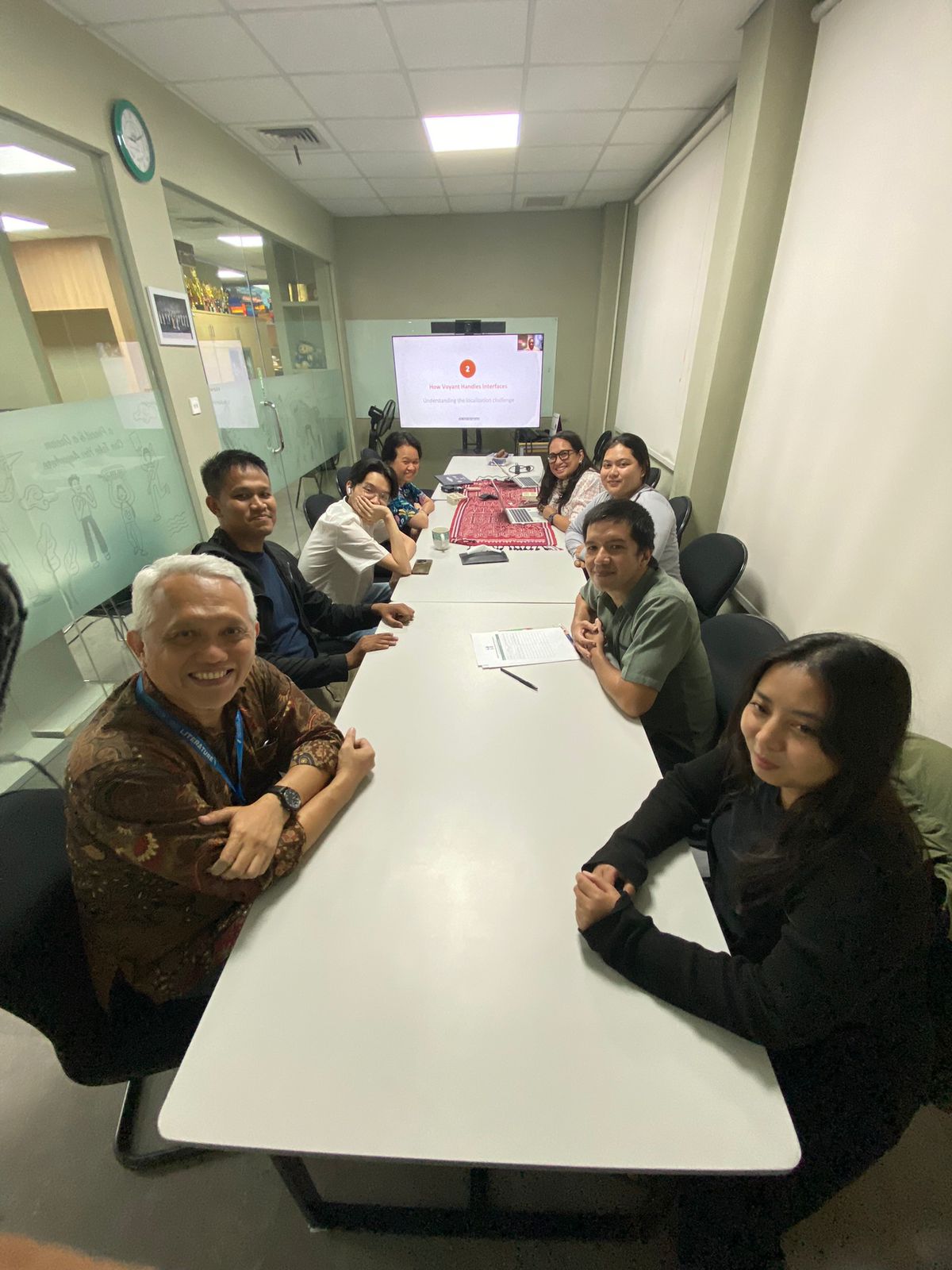
Once the symposium concluded, the attendees – both Binusians and otherwise – received an e-certificate from MSU. Binusians who were active Creative Digital English (CDE) students also received SAT points.
Comments :